

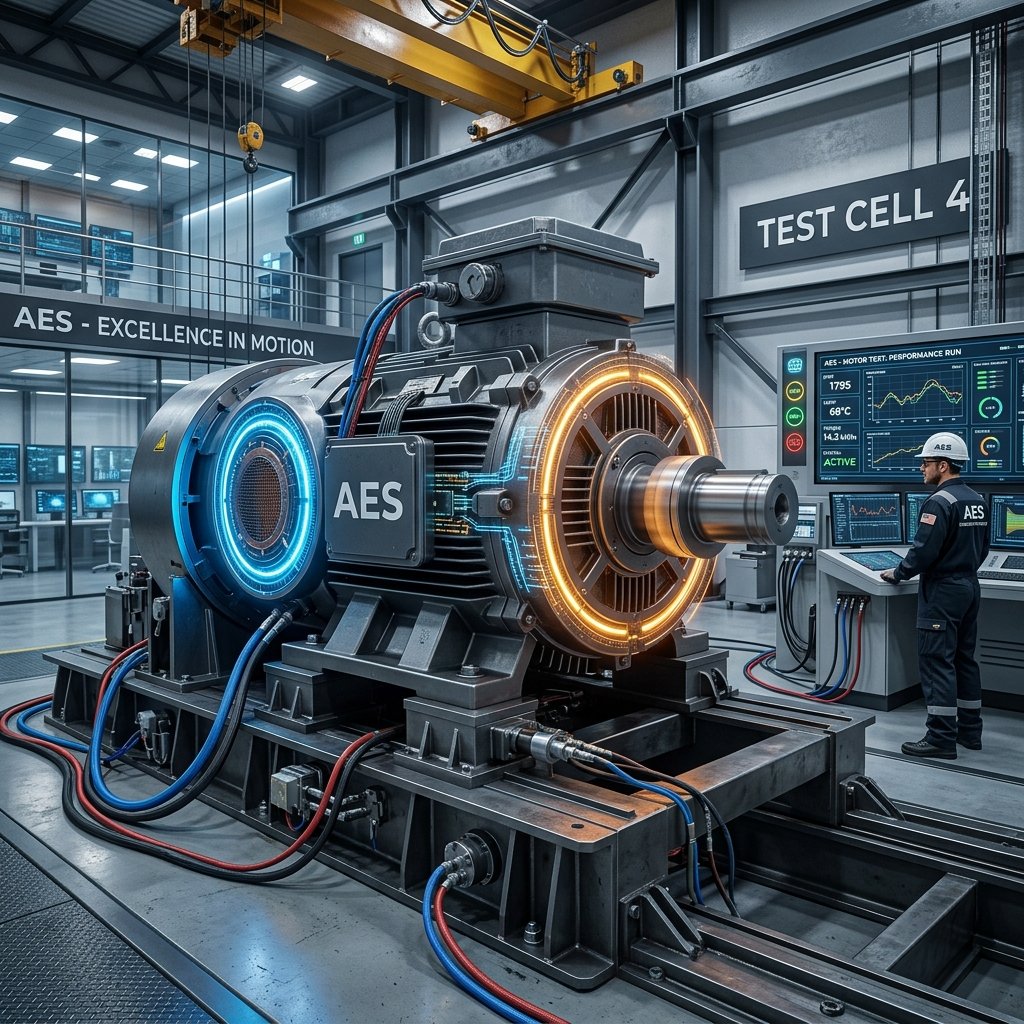
What is IEC 60034-1? Electric Motor Ratings and Performance.
Short answer: IEC 60034-1, rotary electric machinery (especially motors) commemorative values and performance It is the fundamental standard defining the operating types (duty types S1–S10), allowable temperature rise, voltage/frequency tolerances, and performance criteria; it forms the basis of the entire 60034 motor series.
The power rating stated on an electric motor's label is not sufficient information on its own; the conditions under which that power can be delivered, the duration, and the temperature are defined by IEC 60034-1. This standard establishes the common language for motor selection and evaluation.
Duty Types (S1–S10)
Whether the engine runs continuously or intermittently directly affects its performance. S1 working continuously, S2 short-term, S3–S8 It defines various intermittent/periodic loads. Choosing a motor that should be used for continuous loads in the intermittent class means overheating and premature failure.
Temperature Rise and Insulation Class
The temperature rise of the motor winding during operation must remain below the limits permitted by the insulation class (e.g., F, H). Excessive temperature exponentially shortens the insulation life; therefore, thermographic measurement and load assessment are critical during periodic inspections.
Frequently Asked Questions
Why is duty type important?
Selecting a duty cycle engine that is not suitable for the engine's operating profile will lead to engine overheating and premature failure.
Which standards is 60034-1 based on?
All 60034 sub-standards, such as efficiency (60034-30-1), IP protection (60034-5), noise (60034-9), and vibration (60034-14), are built upon this foundation.
Evaluate the Performance and Safety of Your Engines
Related service: Inspection and Periodic Control Services.