

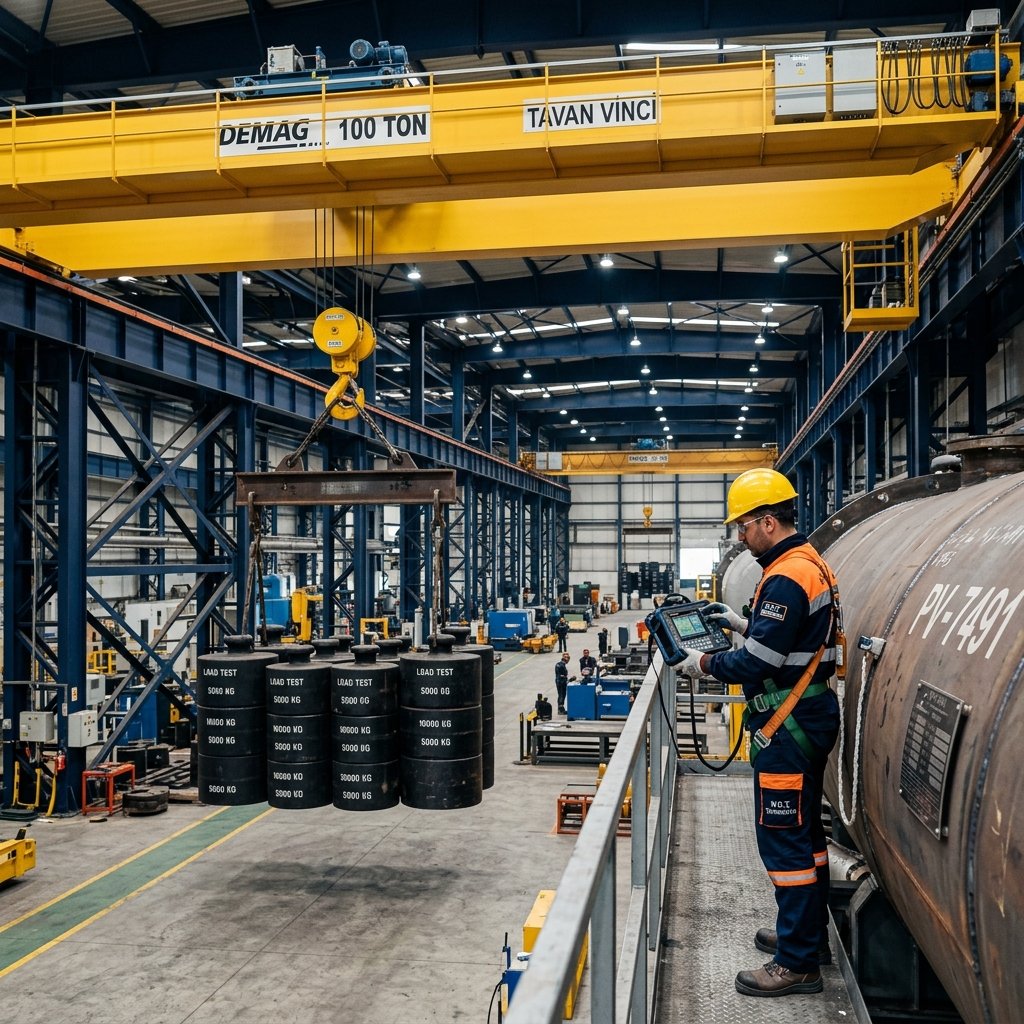
EU Machinery Regulation (EU) 2023/1230: The New Era and Compliance with AES Innovation
EU Machinery Regulation (EU) 2023/1230: A New Era in Machinery Safety
The new Machinery Regulation (EU) 2023/1230, which redefines machine safety standards in the European Union, is bringing significant changes to the sector. Replacing the old Machinery Directive 2006/42/EC, this regulation updates safety and conformity requirements for the design, manufacture, and placing on the market of machinery, focusing particularly on the risks posed by new technologies such as digitalization and artificial intelligence. At AES Innovation, we detail what these new regulations mean for your business and how you should proceed with the compliance process.
Transition from Directive to Regulation: Why is it Important?
While the previous regulation was a Directive, the new text has been published as a Regulation. This fundamental difference means that Regulations are directly binding and enforceable for Member States. Directives require transposition into national legislation, whereas Regulations enter into force directly and do not require additional amendments to national law. This aims to reduce uncertainties for manufacturers, importers, and users by ensuring a more homogeneous application of machinery safety standards across the EU.
Key Changes Introduced by the New Machine Regulations
Regulation (EU) 2023/1230 introduces many innovations and updates in the field of machine safety:
Expanding Scope and New Risks
- Digital Products and Artificial Intelligence: The regulations cover emerging technologies such as machines with artificial intelligence systems, machine learning, and robotics, addressing the potential security risks associated with these systems.
- Cybersecurity: Special attention is paid to protecting machines against cybersecurity risks, preventing unauthorized access, and data manipulation.
- Software: Software that performs security functions can now be considered machines under the regulations.
Updates to Conformity Assessment Processes
- High-Risk Machines: The requirement for third-party conformity assessment has been extended for high-risk machinery listed in Annex I. This makes the role of independent inspection bodies even more critical.
- Digital Documentation: The provision of technical files and user manuals in digital format is encouraged, and in some cases, the requirement for printed copies is even eliminated.
"Definition of "Significantly Modified Machine"
Significant modifications made to an existing machine that affect its safety level may require the machine to be treated as a new machine. In this case, a new CE mark may need to be affixed to the machine and it may need to undergo a conformity assessment process. This is particularly relevant in such cases. industrial plants and factories This is a critical issue.
Market Surveillance and Inspections
Member states will strengthen market surveillance activities, accelerating the processes of withdrawing non-compliant machinery from the market or bringing it into compliance. This also means greater responsibility for importers and distributors.
What is changing for businesses and users? What should you do?
The new Machinery Regulations impose specific responsibilities and requirements on all stakeholders, from machinery manufacturers to end-users.
Responsibilities for Manufacturers
- Ensuring full compliance with the new regulations in design and production processes.
- Updating risk assessments to include cybersecurity and artificial intelligence risks.
- To improve the capacity to prepare technical documents and declarations of conformity in digital format.
- Obtaining conformity assessments from accredited organizations for high-risk machinery.
Responsibilities of Importers and Distributors
- To check that the machines they put on the market comply with the regulations.
- Ensure that all necessary documentation (CE mark, declaration of conformity, user manual) is available and accurate.
- Cooperating with market surveillance authorities in case of non-compliance.
Key Points for Machine Users and Businesses
Businesses are responsible for ensuring the safety of the machinery they use. The new regulation increases the importance of periodic inspections and risk assessments, especially since significant modifications to existing machinery can be classified as "new machinery".
- Available Machines: While the regulation does not directly affect existing machines already on the market, it does affect the work done on these machines. significant changes They could be brought under the scope of the new regulations. Expert opinion should always be sought before such changes are made.
- Periodic Inspections: To ensure the machines continue to operate safely and efficiently. adjustable mobile work platforms or forklifts and stacking machines It is vital that all equipment, such as these, undergoes regular and periodic inspections by competent organizations.
- Operator Training: Personnel operating the machines must be trained on new safety requirements and digital operating manuals.
Reliable Support Throughout the Compliance Process with AES Innovation
As a TÜRKAK accredited inspection body, AES Innovation is ready to guide you through your compliance process with the EU Machinery Regulation (EU) 2023/1230. Our services help you ensure the safety and regulatory compliance of your machinery.
- Conformity Assessment Consulting: Consulting services for the conformity assessment processes of your machinery according to new regulatory requirements.
- Periodic Checks and Inspections: To perform periodic checks and inspections of your machines in accordance with the safety standards stipulated in the regulations.
- Risk Assessment Support: Expert support, particularly in assessing new risks related to cybersecurity and artificial intelligence.
- Factory acceptance tests (FAT/SAT) and witness services.
The new regulations introduce a more comprehensive and modern approach to machine safety, requiring businesses to proactively adapt to these changes. At AES Innovation, we are pleased to be your trusted partner throughout this transition.
Transition Period and Effective Date
The EU Machinery Regulation (EU) 2023/1230 entered into force on 29 June 2023, and most of its provisions ⚠️[January 20, 2027] It will come into effect from [date]. This transition period allows manufacturers and other stakeholders time to adapt. However, some provisions may come into effect earlier. It is crucial for businesses to closely monitor this process and complete their preparations.