


Generator Periodic Inspections | General Information
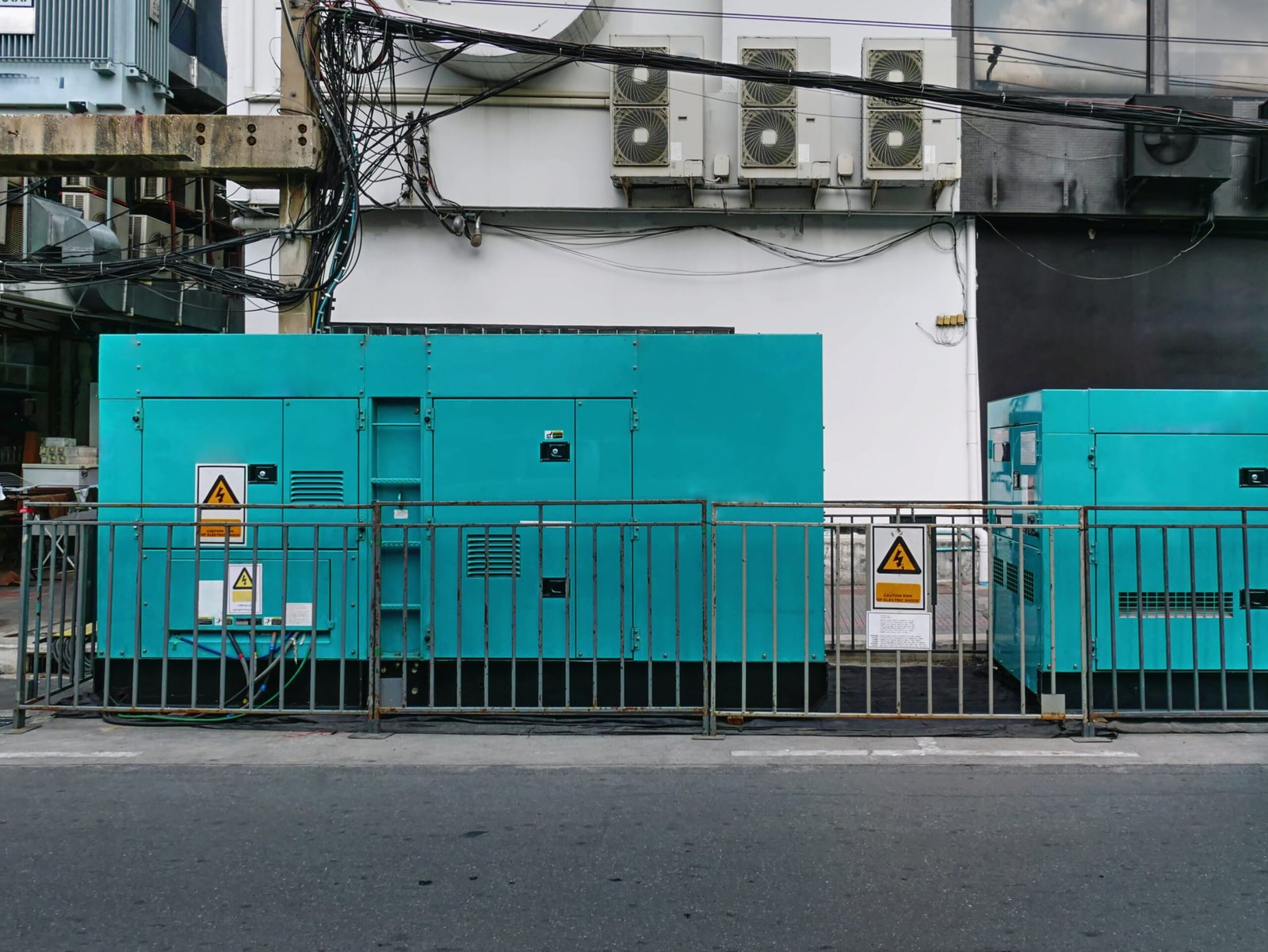
Inspections are a key requirement for checking the specified efficiency of the generator system and ensuring it remains reliably operational. If available, the inspector should have a generator design report containing the necessary documentation, such as design criteria, design descriptions, and technical drawings. The inspector should also have any records of previous generator maintenance and inspections. Choosing a suitable location for the generator is the most important part of the installation process to ensure a safe installation.  Regulations and Standards Regarding Periodic Inspections of Generators
“"Regulations on Fire Protection of Buildings: Article 66-"
(1) The following measures must be taken in all buildings and structures where generators are used as primary or secondary energy sources within a locality:
- a) The walls, floor, and ceiling of the room where the generator will be installed must be constructed to withstand fire for at least 120 minutes.
- (b) If the room containing the generator is located inside the building, in the event of a fire, the smoke and heat must not spread to the escape routes in the building and must not hinder free movement.
- c) The location of the generator's main fuel tank shall comply with the conditions specified in Article 56.
(2) Clean water, wastewater, explosive and flammable liquid and gas installations and equipment cannot be passed through generator rooms and wet areas cannot be arranged in the upper floor spaces.”
- Sufficient Fresh Air Intake,
- Sufficient Hot Air Blowing,
- Proper Exhaust Gas Discharge
- Construction of a Leveled Concrete Base or Determination of the Leveled Concrete Area,
- Protection from adverse weather conditions (sun, heavy rain and snow, etc.)
- Protection from adverse environmental conditions (excessive dust, humidity, moisture, etc.)
- To allow for service, a minimum clearance of 1 meter on each side must be provided around the generator.,
- Designing the entrance door width in case the generator needs to be removed from the installation area.
- In the assembly area, the floor covering should be chosen in a way that will prevent workplace accidents due to slips and falls, especially in cases of oil spills.
- Depending on the classification of the building or protected area, and taking into account the effects that may arise from potential damage,
- Depending on the protection class,
- Depending on local environmental conditions, for example in corrosive atmospheric environments, inspections should be carried out at shorter intervals.,
- Depending on the material from which each generator component is made,
- Depending on the type of surface to which the generator components are attached.
- Generators should be visually inspected at least annually. In buildings and facilities where power outages are frequent, more frequent visual inspections may be necessary.
- Generators need to be able to respond to load changes and control frequency. This mechanism is complex due to the characteristics of the engine and alternator, and it depends not only on the generator's features but also on the alternator's response speed, rotational inertia, and frequency changes of the load.
- The engine must have a fast-responding generator, as well as being tuned and correctly sized for the load.
- The generator's voltage regulator should not react faster than the generator itself.
 Regulations and Standards Regarding Periodic Inspections of Generators
- According to the Occupational Health and Safety Law No. 6331 and the Regulation on Health and Safety Conditions in the Use of Work Equipment published in the Official Gazette dated 25.04.2013 and numbered 28628, it is mandatory to measure and report the grounding of the equipment in the facility once a year. Furthermore, grounding is made mandatory according to Articles 7 and 10 of the Regulation on Grounding in Electrical Installations, which was published in the Official Gazette dated 21.08.2001 and numbered 24500. According to the periodic inspection of the facilities as per Annex P section,
- According to Annex III Table-3 of the Regulation on Health and Safety Conditions in the Use of Work Equipment, published in the Official Gazette dated 25.04.2013 and numbered 28628, periodic inspection periods and inspection criteria for installations; generator installation inspections are carried out periodically according to the specified period and the criteria of the TS EN ISO 8528-13 standard dated 15.10.2016 and the provisions of the Regulation on Grounding in Electrical Installations.,
- In accordance with the Regulation on the Assessment and Management of Environmental Noise, published in the Official Gazette dated 19/04/2006 and numbered 26144, and based on the principles of environmental noise and environmental vibration,
- For enclosure groundings (panels, machinery, containers, etc.) defined as protection against indirect contact, the Electrical Installation Grounding Regulations, the TS EN 60364-4-41 standard, and the Electrical Internal Installations Regulations do not assign a class value. Considering the grounding system and its protection as evidence, inspections regarding protection against indirect contact should be carried out in accordance with the TS EN 62305-3 standard and the API 2003 standard, which require additional grounding in grounding systems with a limit value not below 10 Ω.
The Generator Selection, Maintenance, and Periodic Inspection Guide summarizes up-to-date information on generator usage areas, selection criteria, maintenance, and periodic inspections.
Relating to: Generator Periodic Inspection service